


Soft ribbed knit fabric is a versatile and popular choice in the textile industry, known for its unique texture, stretchability, and comfort. As a supplier of soft ribbed knit fabric, I often receive inquiries about its weight, which is a crucial factor that influences its applications, performance, and overall quality. In this blog post, I will delve into the concept of fabric weight, explore the factors that affect the weight of soft ribbed knit fabric, and discuss the significance of weight in different contexts.
Understanding Fabric Weight
Fabric weight refers to the mass per unit area of a textile material, typically measured in grams per square meter (g/m²) or ounces per square yard (oz/yd²). It is an important characteristic that provides valuable information about the fabric's thickness, density, and durability. The weight of a fabric can vary significantly depending on its composition, construction, and intended use.
In the case of soft ribbed knit fabric, the weight is determined by several factors, including the type of yarn used, the stitch pattern, and the tension during the knitting process. Generally, heavier fabrics are made from thicker yarns or have a more densely packed stitch structure, while lighter fabrics are made from finer yarns or have a looser stitch pattern.
Factors Affecting the Weight of Soft Ribbed Knit Fabric
Yarn Type and Thickness
The type and thickness of the yarn used in the knitting process have a significant impact on the weight of the fabric. Yarns can be made from various fibers, such as cotton, polyester, wool, or a blend of different materials. Each fiber has its own unique properties, including density and weight.
For example, cotton yarn is relatively lightweight and breathable, making it a popular choice for summer clothing. On the other hand, wool yarn is heavier and provides better insulation, making it suitable for winter wear. Additionally, the thickness of the yarn, measured in terms of its linear density (e.g., denier or tex), also affects the fabric weight. Thicker yarns generally result in heavier fabrics.
Stitch Pattern
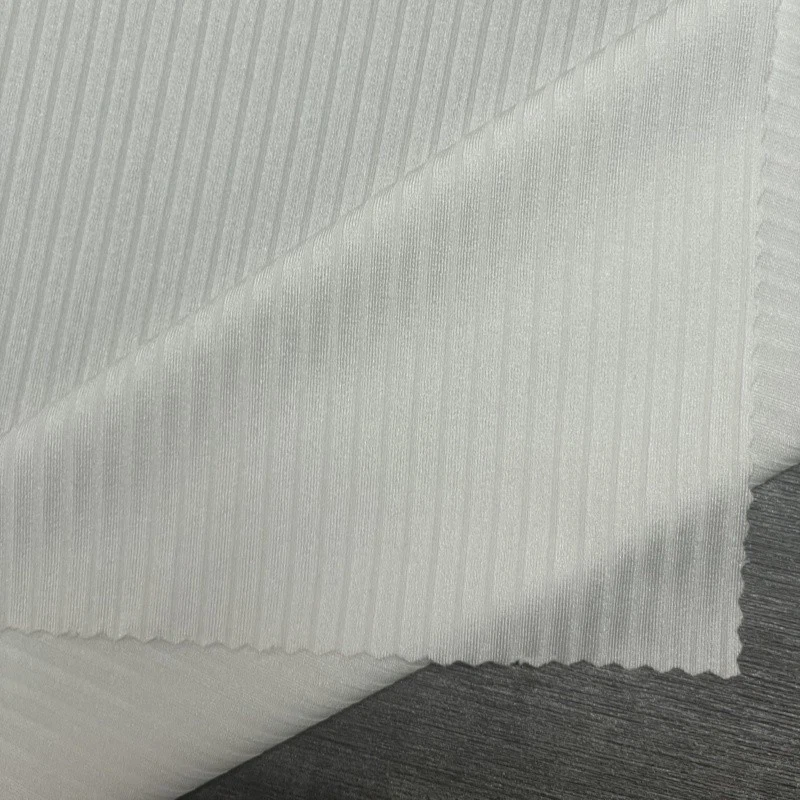
The stitch pattern used in knitting can also influence the weight of the fabric. Different stitch patterns create different textures and densities, which in turn affect the fabric's weight. For instance, a rib stitch pattern, which is characterized by vertical ridges and valleys, is commonly used in soft ribbed knit fabric. The rib stitch can be adjusted to create different densities, depending on the number of stitches per inch and the tension applied during knitting.
A tighter rib stitch with more stitches per inch will result in a denser and heavier fabric, while a looser rib stitch with fewer stitches per inch will produce a lighter and more stretchy fabric. Other stitch patterns, such as jersey, interlock, or cable, can also be used to create soft ribbed knit fabric, each with its own unique weight and characteristics.
Knitting Tension
The tension applied during the knitting process plays a crucial role in determining the weight of the fabric. If the tension is too tight, the fabric will be denser and heavier, as the yarns are packed more closely together. Conversely, if the tension is too loose, the fabric will be lighter and more stretchy, as the yarns have more space between them.
Controlling the knitting tension is essential to ensure consistent fabric quality and weight. Experienced knitters use specialized knitting machines or rely on their skills to adjust the tension accurately, depending on the desired fabric weight and characteristics.
Significance of Fabric Weight in Different Applications
The weight of soft ribbed knit fabric is an important consideration in various applications, as it can affect the fabric's performance, comfort, and appearance. Here are some examples of how fabric weight matters in different contexts:
Apparel
In the apparel industry, fabric weight is a key factor in determining the suitability of a fabric for different types of clothing. Lighter fabrics, such as those with a weight of 100-200 g/m², are often used for summer clothing, such as t-shirts, dresses, and blouses, as they are breathable and comfortable in warm weather. Heavier fabrics, on the other hand, are more suitable for winter wear, such as sweaters, jackets, and pants, as they provide better insulation and warmth.
The weight of the fabric also affects the drape and fit of the clothing. Lighter fabrics tend to drape more fluidly and are more suitable for creating flowing, feminine styles, while heavier fabrics have more structure and are better for creating tailored, structured garments.
Activewear
In the activewear industry, fabric weight is crucial for ensuring optimal performance and comfort during physical activities. Lightweight fabrics, with a weight of 150-250 g/m², are commonly used for sports jerseys, shorts, and leggings, as they allow for freedom of movement and quick drying. These fabrics are often made from moisture-wicking materials, such as polyester or nylon, to keep the body dry and comfortable during exercise.
Heavier fabrics, on the other hand, may be used for outerwear or base layers in cold weather sports, such as skiing or snowboarding. These fabrics provide insulation and protection from the elements, while still allowing for flexibility and mobility.
Home Textiles
In the home textiles industry, fabric weight is important for determining the durability and functionality of the products. Heavier fabrics, such as those with a weight of 300-500 g/m², are often used for upholstery, curtains, and bedding, as they are more durable and can withstand frequent use and washing.
Lighter fabrics, on the other hand, may be used for decorative purposes, such as tablecloths, napkins, or pillowcases. These fabrics are often chosen for their softness, drape, and aesthetic appeal.
Common Weight Ranges for Soft Ribbed Knit Fabric
The weight of soft ribbed knit fabric can vary widely depending on the factors mentioned above. However, there are some common weight ranges that are typically associated with different types of applications:
- Lightweight: 100-200 g/m² (3-6 oz/yd²). These fabrics are suitable for summer clothing, lingerie, and activewear.
- Medium-weight: 200-300 g/m² (6-9 oz/yd²). These fabrics are commonly used for t-shirts, dresses, sweaters, and home textiles.
- Heavyweight: 300-500 g/m² (9-15 oz/yd²). These fabrics are ideal for winter wear, outerwear, and upholstery.
It's important to note that these are general guidelines, and the actual weight of the fabric may vary depending on the specific requirements of the application and the preferences of the customer.
Choosing the Right Weight of Soft Ribbed Knit Fabric
When choosing the right weight of soft ribbed knit fabric for your project, it's important to consider the following factors:

Intended Use
The intended use of the fabric is the most important factor to consider when choosing the weight. As discussed earlier, different applications require different fabric weights to ensure optimal performance and comfort. For example, if you're making a summer dress, you'll want to choose a lightweight fabric that is breathable and comfortable in warm weather. If you're making a winter coat, on the other hand, you'll need a heavier fabric that provides insulation and warmth.
Climate and Season
The climate and season in which the fabric will be used also play a role in determining the appropriate weight. In hot and humid climates, lighter fabrics are generally preferred, while in cold and dry climates, heavier fabrics are more suitable. Additionally, the season can also affect the choice of fabric weight. For example, you may want to choose a lighter fabric for a spring or summer project, and a heavier fabric for a fall or winter project.
Personal Preference
Personal preference is another important factor to consider when choosing the weight of the fabric. Some people prefer lighter fabrics for their comfort and breathability, while others prefer heavier fabrics for their durability and warmth. Ultimately, the choice of fabric weight should be based on your own personal preferences and the specific requirements of your project.
Our Soft Ribbed Knit Fabric Offerings
As a supplier of soft ribbed knit fabric, we offer a wide range of fabrics in different weights, compositions, and colors to meet the diverse needs of our customers. Our fabrics are made from high-quality yarns and are produced using advanced knitting techniques to ensure consistent quality and performance.
Some of our popular fabric offerings include Jacquard Rib Knit Fabric, Stretchy Ribbed Fabric, and Knitted Rib Fabric for Yoga Wear. These fabrics are suitable for a variety of applications, including apparel, activewear, and home textiles.
Contact Us for采购洽谈
If you're interested in learning more about our soft ribbed knit fabric or would like to discuss your specific requirements, please don't hesitate to contact us. Our team of experts is available to provide you with detailed information, samples, and pricing. We look forward to working with you to find the perfect fabric for your project.
References
- Textile Institute. (2019). Handbook of Textile Fibre Structure. Woodhead Publishing.
- Horrocks, A. R., & Anand, S. C. (Eds.). (2000). Handbook of Technical Textiles. Woodhead Publishing.
- Tortora, P. G., & Merkel, K. A. (2016). Fairchild's Dictionary of Textiles. Fairchild Books.
