


When it comes to choosing the right fabric for swimwear, there are numerous factors to consider, such as durability, comfort, stretch, and resistance to chemicals and UV rays. Acetate is one fabric that often comes up in discussions about swimwear materials. As a swimwear fabric supplier, I've had the opportunity to work with a wide range of fabrics, including acetate, and I'd like to share my insights on whether acetate is a suitable swimwear fabric.
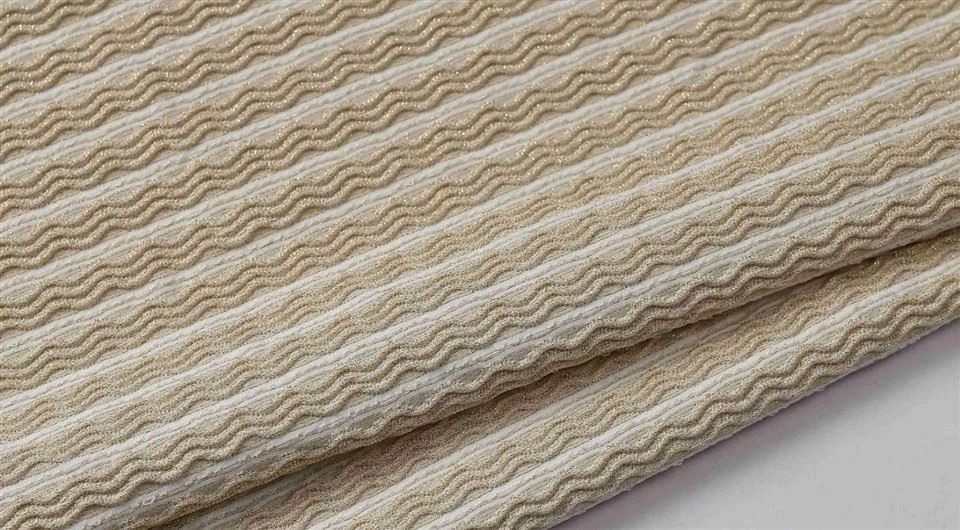

Understanding Acetate
Acetate is a semi - synthetic fiber derived from cellulose, usually wood pulp. It was first developed in the early 20th century and has since found its way into various industries, including fashion. Acetate has several characteristics that make it an interesting option for clothing. It has a luxurious feel, similar to silk, and it drapes well. It also has good color retention, which means it can hold vibrant colors for a relatively long time.
Advantages of Acetate in Swimwear
Aesthetic Appeal
One of the main advantages of acetate in swimwear is its aesthetic appeal. The fabric has a lustrous sheen that gives swimsuits an elegant and high - end look. This makes it a popular choice for designer swimwear collections where the visual aspect is crucial. The ability to hold bright and vivid colors also allows for the creation of eye - catching swimwear designs that stand out on the beach or by the pool.
Comfort
Acetate is a relatively lightweight fabric, which can contribute to a comfortable wearing experience. It doesn't feel heavy when wet, unlike some other materials, and it allows the skin to breathe to a certain extent. This is important for swimwear, as it ensures that the wearer doesn't feel overly hot or restricted while in the water or lounging by the pool.
Drapability
The excellent drapability of acetate means that swimsuits made from this fabric can fit the body well and move with the wearer. It can create smooth lines and contours, enhancing the overall fit and appearance of the swimwear. This is particularly beneficial for styles that require a more form - fitting design, such as one - piece swimsuits or high - cut bikinis.
Disadvantages of Acetate in Swimwear
Lack of Stretch
One of the major drawbacks of acetate as a swimwear fabric is its limited stretch. Swimwear typically requires a certain degree of elasticity to fit the body properly and allow for ease of movement. Acetate has relatively low stretch compared to other common swimwear fabrics like spandex or nylon blends. This can make it difficult to create swimsuits that offer a snug and comfortable fit, especially for people with curvier figures.
Chemical Resistance
Acetate is not as resistant to chemicals as some other swimwear fabrics. Chlorine in swimming pools and saltwater in the ocean can cause damage to acetate over time. Chlorine can bleach the fabric, causing it to lose its color, and it can also weaken the fibers, leading to fraying and deterioration. Saltwater can also have a corrosive effect on acetate, reducing its lifespan.
Durability
In general, acetate is not as durable as some other swimwear fabrics. It is more prone to snagging and tearing, which can be a problem in a swimwear environment where the fabric is likely to come into contact with rough surfaces such as pool ladders or beach sand. This means that swimsuits made from acetate may not last as long as those made from more robust materials.
Comparing Acetate with Other Swimwear Fabrics
Nylon and Spandex Blends
Nylon and spandex blends are some of the most popular swimwear fabrics on the market. They offer excellent stretch, which allows for a comfortable and form - fitting design. These blends are also highly resistant to chlorine and saltwater, making them suitable for regular use in both pool and ocean environments. In comparison, acetate falls short in terms of stretch and chemical resistance.
Polyester
Polyester is another common swimwear fabric. It is known for its durability, resistance to chemicals, and quick - drying properties. Polyester swimsuits can withstand repeated exposure to chlorine and saltwater without significant damage. Acetate, on the other hand, is less durable and more sensitive to chemical exposure.
Applications of Acetate in Swimwear
Despite its limitations, acetate can still have a place in the swimwear industry. It is often used in combination with other fabrics to add a touch of luxury and visual appeal. For example, acetate can be used as a decorative element in swimsuits, such as in the form of lace overlays or trim. It can also be used in high - end, limited - edition swimwear collections where the focus is more on aesthetics and the swimsuits are not intended for heavy, regular use.
Other Suitable Swimwear Fabrics in Our Catalog
As a swimwear fabric supplier, we offer a wide range of other fabrics that are better suited for swimwear than acetate. For instance, our Lurex Jacquard Fabric combines the beauty of jacquard patterns with the functionality required for swimwear. It has good stretch, is resistant to chemicals, and offers a unique metallic look that is perfect for making a statement.
Another option is our Metallic Knit Fabric. This fabric provides the stretch and comfort needed for swimwear while also adding a trendy metallic finish. It is suitable for creating modern and fashionable swimsuits that are both functional and stylish.
Conclusion
In conclusion, while acetate has some aesthetic and comfort advantages, it is not an ideal standalone fabric for swimwear due to its limited stretch, poor chemical resistance, and lack of durability. However, it can be used in combination with other fabrics to enhance the visual appeal of swimsuits. If you're looking for high - quality, durable, and functional swimwear fabrics, there are better options available in the market.
As a swimwear fabric supplier, we are committed to providing our customers with the best materials for their swimwear needs. Whether you're a swimwear designer, manufacturer, or retailer, we can offer you a wide range of fabrics that meet your specific requirements. If you're interested in learning more about our swimwear fabrics or would like to discuss a potential purchase, please don't hesitate to contact us. We look forward to working with you to create the perfect swimwear.
References
- "Textile Science" by Robert G. Cornille, which provides in - depth information on different textile fibers, including acetate.
- Industry reports on swimwear fabric trends and performance, which offer insights into the suitability of various fabrics for swimwear applications.
