


When it comes to choosing the right fabric for swimwear, there are numerous options available in the market. Each fabric has its own set of characteristics, advantages, and disadvantages. One fabric that often comes up in discussions is linen. As a swimwear fabric supplier, I've had the opportunity to explore various materials and understand their suitability for swimwear. In this blog, we'll delve into the question: Is linen a good option for swimwear fabric?

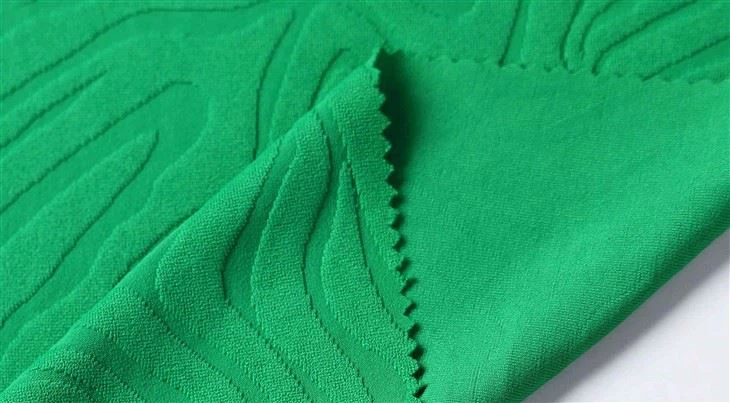
Understanding Linen
Linen is a natural fiber made from the flax plant. It has been used for centuries in various applications, from clothing to home textiles. Linen is known for its breathability, absorbency, and durability. It has a distinct texture that gives it a rustic and natural look. The fibers are strong and can withstand regular wear and tear.
Advantages of Linen for Swimwear
Breathability
One of the most significant advantages of linen is its breathability. It allows air to circulate freely through the fabric, keeping the body cool and comfortable. This is especially important for swimwear, as it helps prevent the build - up of moisture and reduces the risk of skin irritation. When you're in and out of the water, the breathable nature of linen ensures that your skin can breathe, even when the fabric is wet.
Absorbency
Linen is highly absorbent. It can soak up a significant amount of water, which is useful for swimwear. After getting out of the water, the fabric can quickly absorb the excess water, reducing the time it takes to dry. This is not only convenient but also helps prevent the growth of bacteria and mold, which can thrive in damp conditions.
Natural and Sustainable
Linen is a natural fiber, which makes it an environmentally friendly choice. Flax plants require less water and pesticides compared to other crops used for fiber production. Additionally, linen is biodegradable, meaning it will break down naturally over time, reducing its impact on the environment. For consumers who are conscious about sustainability, linen swimwear can be an attractive option.
Aesthetic Appeal
Linen has a unique and stylish appearance. It has a slightly rough texture and a natural color that gives swimwear a laid - back and bohemian look. This aesthetic can be appealing to those who want to stand out from the traditional, shiny swimwear fabrics.
Disadvantages of Linen for Swimwear
Shrinkage
One of the main drawbacks of linen is its tendency to shrink. When exposed to water and heat, linen can shrink significantly. This can be a problem for swimwear, as it may change the fit of the garment. To minimize shrinkage, linen swimwear often needs to be pre - shrunk during the manufacturing process, but even then, some shrinkage may still occur over time.
Lack of Stretch
Linen has very little stretch compared to other swimwear fabrics. Swimwear typically requires a certain amount of stretch to fit the body properly and allow for ease of movement. Without sufficient stretch, linen swimwear may feel tight and restrictive, especially when wet. This can be uncomfortable for the wearer, especially during activities such as swimming or water sports.
Durability in Water
While linen is a durable fabric, it may not hold up as well in water as some other swimwear materials. The constant exposure to water, chlorine, and salt can cause the fibers to weaken over time. This may lead to fraying and a shorter lifespan for the swimwear.
Alternatives to Linen for Swimwear
If the disadvantages of linen make it less than ideal for your swimwear needs, there are several other fabric options available.
Recycled Bathing Suit Fabric
Recycled bathing suit fabric is an excellent alternative. It offers many of the same benefits as linen in terms of sustainability, but it also has better stretch and durability in water. You can find a wide range of recycled bathing suit fabrics at Recycled Bathing Suit Fabric. These fabrics are often made from recycled plastic bottles, which not only reduces waste but also provides a high - quality and functional swimwear material.
Crinkle Swimwear Fabric
Crinkle swimwear fabric is another option. It has a unique texture that adds a stylish element to swimwear. This fabric is often stretchy and can hold its shape well in water. You can explore different crinkle swimwear fabrics at Crinkle Swimwear Fabric.
Ribbed Terry Fabric For Swimwear
Ribbed terry fabric for swimwear is known for its softness and absorbency. It also has good stretch, making it comfortable to wear. You can find a variety of ribbed terry fabrics at Ribbed Terry Fabric For Swimwear.
Conclusion
So, is linen a good option for swimwear fabric? It depends on your specific needs and preferences. If you value breathability, absorbency, and a natural aesthetic, linen can be a great choice. However, if you need a fabric with more stretch and better durability in water, you may want to consider other options.
As a swimwear fabric supplier, we offer a wide range of fabrics to meet different requirements. Whether you're interested in linen or one of the alternative fabrics mentioned above, we can provide you with high - quality materials. If you're looking to source swimwear fabric for your business or personal use, we'd be happy to discuss your needs and provide you with samples. Contact us to start the procurement process and explore the best fabric options for your swimwear.
References
- "The Properties of Linen" - Textile Research Journal
- "Sustainable Fabrics for Swimwear" - Journal of Sustainable Fashion
