


As a supplier of Rib Stretch Knitting Fabric, I've been deeply involved in the world of textiles for years. One question that often comes up in discussions with customers, designers, and manufacturers is: "What is the stretchability limit of rib stretch knitting fabric?" In this blog, I'll delve into this topic, exploring the factors that influence stretchability, how to measure it, and practical implications for various applications.
Understanding Rib Stretch Knitting Fabric
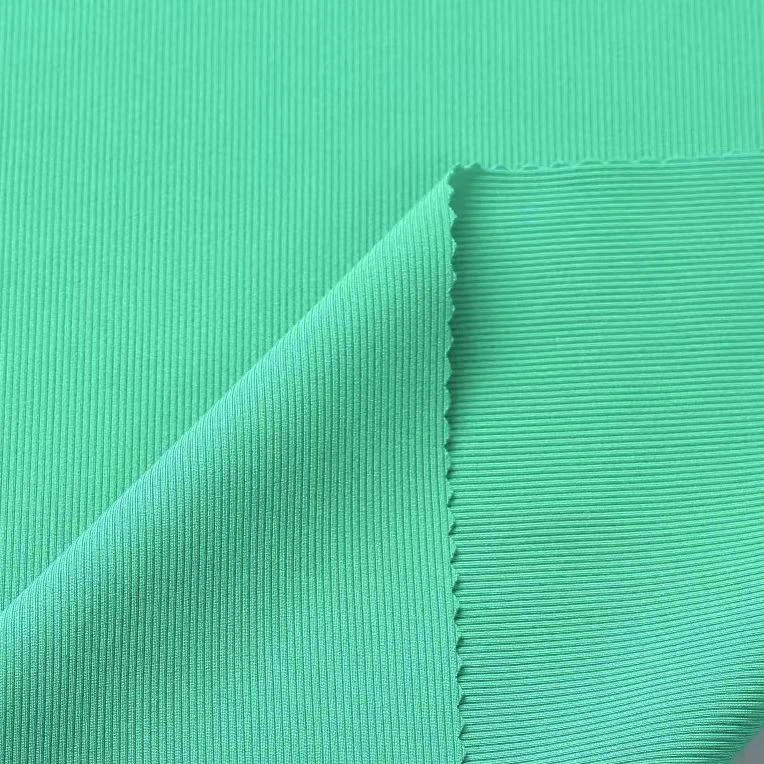
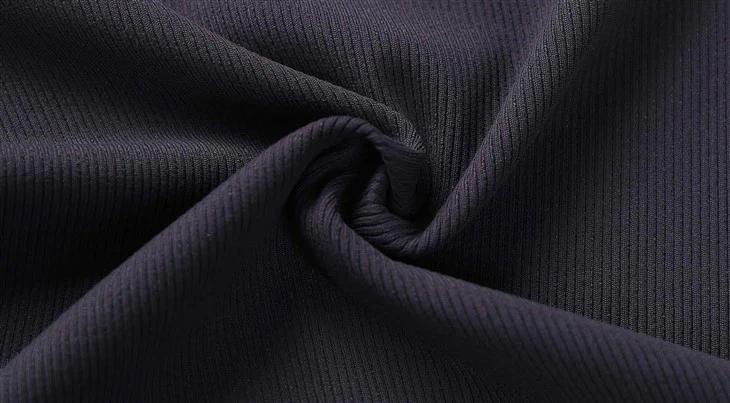
Before we discuss the stretchability limit, let's briefly understand what rib stretch knitting fabric is. Ribbed fabric is characterized by its distinctive vertical ridges or ribs, which are created through a specific knitting technique. This structure gives the fabric its unique properties, including elasticity and a degree of stretch. Ribbed Knit fabrics are commonly used in a wide range of applications, from clothing such as sweaters, T - shirts, and leggings to industrial uses where stretch and flexibility are required.
Factors Influencing Stretchability
Fiber Composition
The type of fibers used in the rib stretch knitting fabric plays a crucial role in determining its stretchability. Natural fibers like cotton are relatively less stretchy on their own. However, when combined with synthetic fibers such as spandex or elastane, the fabric gains significant stretch properties. Spandex, for example, can stretch up to 500% of its original length and then return to its original shape. A fabric with a higher percentage of spandex will generally have a greater stretchability limit compared to one with a lower percentage.
Knitting Structure
The way the fabric is knitted also affects its stretchability. Different rib patterns, such as 1x1 rib, 2x2 rib, or 3x3 rib, have varying degrees of stretch. A 1x1 rib, where there is one knit stitch followed by one purl stitch, typically has more stretch in the width direction compared to a 2x2 rib. The tighter the knitting tension, the less stretch the fabric will have. Loosely knitted rib fabrics can stretch more easily, but they may also lose their shape more quickly.
Yarn Thickness
Thicker yarns generally result in a less stretchy fabric compared to thinner yarns. Thicker yarns have more mass and are less flexible, which restricts the fabric's ability to stretch. Fine - thread ribbed fabrics, like Ribbed Fabric By The Yard, often have better stretch properties because the thinner yarns can move more freely within the knitting structure.
Measuring Stretchability
There are several methods to measure the stretchability of rib stretch knitting fabric. One common method is the tensile test. In a tensile test, a sample of the fabric is clamped at both ends and slowly pulled until it reaches its breaking point. The amount of stretch before breaking is measured, and this value is used to determine the fabric's stretchability limit.
Another way to measure stretchability is by using a stretch tester. This device measures the force required to stretch the fabric a certain distance. By applying a known force and measuring the resulting stretch, we can calculate the fabric's stretch modulus, which is a measure of its resistance to stretching.
Stretchability Limits in Different Applications
Apparel
In the apparel industry, the stretchability limit of rib stretch knitting fabric is carefully considered to ensure a proper fit. For example, in sportswear, a high - stretch fabric is needed to allow for a wide range of motion. A fabric with a stretchability limit of 200% - 300% may be suitable for leggings or compression garments. On the other hand, in formal wear, a more limited stretch may be preferred to maintain a structured appearance. A fabric with a stretchability limit of around 50% - 100% may be used for collars or cuffs.
Medical and Hygiene Products
In medical and hygiene products, the stretchability of rib stretch knitting fabric is also important. For example, in elastic bandages, the fabric needs to have enough stretch to conform to the body part being wrapped but also enough recovery to provide compression. A stretchability limit of 150% - 200% is often ideal for such applications.
Industrial Uses
In industrial applications, the stretchability limit requirements can vary widely. For example, in conveyor belts, a fabric with a low stretchability limit may be needed to maintain a consistent shape and prevent slippage. In contrast, in some flexible packaging applications, a fabric with a high stretchability limit may be required to accommodate different shapes and sizes of products.
Practical Considerations for Suppliers and Buyers
As a supplier of Ribbed Knitted Fabric, it's important to communicate the stretchability limit of the fabric clearly to buyers. This information helps them make informed decisions about which fabric is best suited for their specific application.
Buyers, on the other hand, should provide detailed requirements about the stretchability they need. They should also conduct their own tests on fabric samples to ensure that the fabric meets their expectations. It's also important to consider the long - term performance of the fabric. A fabric that stretches well initially but loses its stretchability over time due to wear and tear may not be suitable for long - term use.
Conclusion
The stretchability limit of rib stretch knitting fabric is influenced by multiple factors, including fiber composition, knitting structure, and yarn thickness. Understanding these factors is essential for both suppliers and buyers to ensure that the fabric meets the requirements of various applications. Whether you're in the apparel industry, medical field, or industrial sector, choosing the right rib stretch knitting fabric with the appropriate stretchability limit is crucial for the success of your product.
If you're interested in purchasing rib stretch knitting fabric for your project, I invite you to reach out for a detailed discussion. We can work together to select the perfect fabric that meets your specific stretchability needs and other requirements. Our team of experts is always ready to assist you in finding the best solution for your business.
References
- ASTM D4964 - 13(2019). Standard Test Method for Stretch and Recovery of Knit Fabrics.
- Textile Institute. Handbook of Textile Fibre Structure. Woodhead Publishing, 2014.
- Grosberg, P., & Levene, S. The Mechanics of Textile Fibres. Taylor & Francis, 1968.
