


Electrostatic charge is a phenomenon that often goes unnoticed yet can have significant implications, especially when it comes to textiles. As a supplier of fine thread ribbed fabric, I've witnessed firsthand how electrostatic charge can affect the performance, comfort, and overall quality of our products. In this blog, we'll delve into the intricacies of electrostatic charge in fine thread ribbed fabric, exploring its causes, effects, and potential solutions.
Understanding Electrostatic Charge
Electrostatic charge occurs when there is an imbalance of electric charges within or on the surface of a material. This imbalance can result from various factors, including friction, contact and separation, and induction. When two materials come into contact and then separate, electrons can be transferred from one material to the other, leaving one material positively charged and the other negatively charged. This process is known as triboelectric charging and is one of the most common causes of electrostatic charge in textiles.
In the case of fine thread ribbed fabric, electrostatic charge can develop during manufacturing processes such as spinning, weaving, or knitting, as well as during use and handling. For example, when the fabric rubs against other materials, such as skin, clothing, or machinery, electrons can be transferred, leading to the buildup of static electricity. Additionally, environmental factors such as low humidity can exacerbate the problem, as dry air allows static charges to accumulate more easily.
Causes of Electrostatic Charge in Fine Thread Ribbed Fabric
Several factors contribute to the development of electrostatic charge in fine thread ribbed fabric. These include:
- Fiber Type: Different fibers have different electrical properties, which can affect their tendency to generate and retain static electricity. Synthetic fibers, such as polyester, nylon, and acrylic, are more prone to static buildup than natural fibers, such as cotton, wool, and silk. This is because synthetic fibers are typically more hydrophobic (water-repellent) and have a higher surface resistance, which makes it easier for static charges to accumulate.
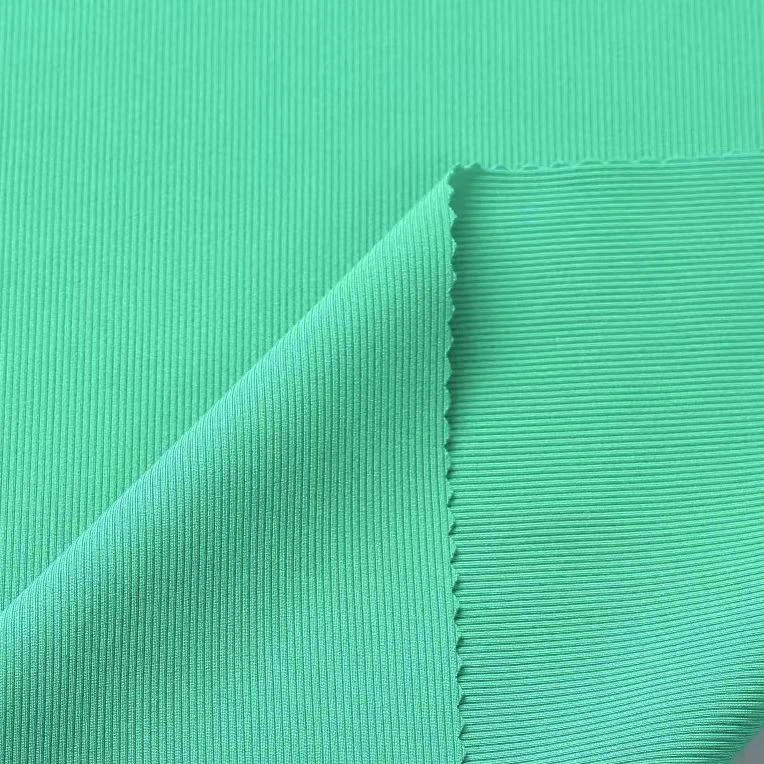
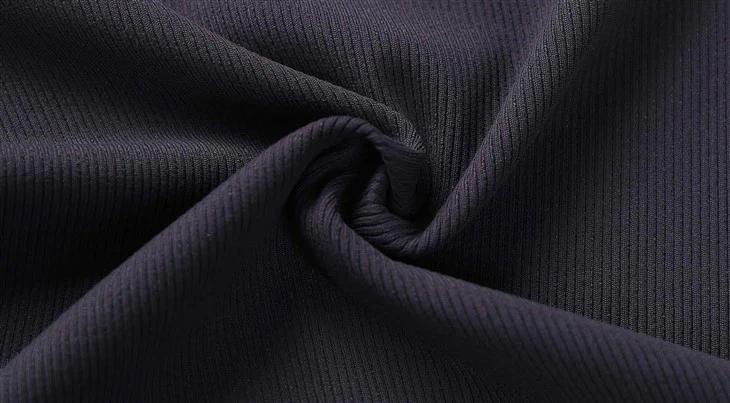
- Fabric Construction: The construction of the fabric can also influence its electrostatic properties. For example, fabrics with a tight weave or knit structure tend to generate more static electricity than those with a looser structure. This is because the tight construction allows for more contact between the fibers, increasing the likelihood of triboelectric charging. Additionally, ribbed fabrics, which have a raised pattern of parallel ridges, can create more friction and contact points, further contributing to static buildup.
- Finishing Treatments: Some finishing treatments, such as anti-static agents, can be applied to the fabric to reduce its electrostatic properties. These treatments work by either neutralizing the static charges or by increasing the conductivity of the fabric, allowing the charges to dissipate more easily. However, not all finishing treatments are equally effective, and some may have other drawbacks, such as affecting the feel or appearance of the fabric.
- Environmental Conditions: As mentioned earlier, environmental factors such as humidity can have a significant impact on the electrostatic properties of the fabric. In dry conditions, the air has a lower moisture content, which reduces the conductivity of the fabric and allows static charges to accumulate more easily. Conversely, in humid conditions, the moisture in the air can help to dissipate the static charges, reducing the likelihood of static buildup.
Effects of Electrostatic Charge in Fine Thread Ribbed Fabric
The presence of electrostatic charge in fine thread ribbed fabric can have several negative effects, including:
- Comfort: Static electricity can cause the fabric to cling to the skin, which can be uncomfortable and irritating. Additionally, the buildup of static charges can create a tingling or prickling sensation, further reducing the comfort of the wearer.
- Appearance: Static electricity can also affect the appearance of the fabric. For example, static charges can cause the fabric to attract dust, lint, and other particles, making it look dirty and unkempt. Additionally, the static charges can cause the fabric to stick together, creating wrinkles and creases that can be difficult to remove.
- Performance: In some cases, electrostatic charge can affect the performance of the fabric. For example, in industrial applications, static electricity can cause the fabric to attract and hold onto small particles, which can interfere with the operation of machinery or equipment. Additionally, static charges can cause the fabric to generate sparks, which can be a fire hazard in certain environments.
Solutions to Reduce Electrostatic Charge in Fine Thread Ribbed Fabric
Fortunately, there are several solutions available to reduce the electrostatic charge in fine thread ribbed fabric. These include:
- Choose the Right Fibers: As mentioned earlier, natural fibers such as cotton, wool, and silk are less prone to static buildup than synthetic fibers. Therefore, when selecting fine thread ribbed fabric, consider choosing fabrics made from natural fibers or blends of natural and synthetic fibers. This can help to reduce the likelihood of static electricity and improve the comfort and performance of the fabric.
- Use Anti-Static Finishes: Anti-static finishes can be applied to the fabric during the manufacturing process to reduce its electrostatic properties. These finishes work by either neutralizing the static charges or by increasing the conductivity of the fabric, allowing the charges to dissipate more easily. There are several types of anti-static finishes available, including topical treatments, which are applied to the surface of the fabric, and permanent finishes, which are incorporated into the fibers during the spinning or weaving process.
- Control Environmental Conditions: Maintaining a moderate level of humidity in the environment can help to reduce the buildup of static electricity in the fabric. This can be achieved by using a humidifier in dry conditions or by avoiding over-drying the fabric in a dryer. Additionally, avoiding wearing synthetic clothing or using synthetic materials in close proximity to the fabric can help to reduce friction and minimize the risk of static buildup.
- Grounding and Discharging: In industrial settings, grounding and discharging techniques can be used to prevent the buildup of static electricity in the fabric. For example, the fabric can be grounded to a conductive surface, such as a metal table or floor, to allow the static charges to dissipate. Additionally, static eliminators, such as ionizers or air blowers, can be used to neutralize the static charges in the air and on the surface of the fabric.
Conclusion
Electrostatic charge is a common problem in fine thread ribbed fabric, but it can be managed through a combination of fiber selection, fabric construction, finishing treatments, and environmental control. As a supplier of fine thread ribbed fabric, we are committed to providing our customers with high-quality products that are free from static buildup and other electrostatic issues. By understanding the causes and effects of electrostatic charge and implementing the appropriate solutions, we can ensure that our fabrics meet the highest standards of comfort, performance, and appearance.
If you're interested in learning more about our fine thread ribbed fabric or have any questions about electrostatic charge, please don't hesitate to contact us for procurement discussions. We'd be happy to help you find the perfect fabric for your needs.
References
- ASTM International. (2019). Standard Test Method for Surface Resistivity of Conductive and Static Dissipative Planar Materials. ASTM D257-14.
- Textile Institute. (2018). Electrostatics in Textiles. The Textile Institute.
- Wypych, G. (2019). Handbook of Polymers, Second Edition. ChemTec Publishing.
