


When it comes to swimwear, the choice of textile fabric plays a pivotal role in determining the quality, comfort, and style of the final product. As a leading supplier of Swimwear Textile Fabrics, I often encounter questions from designers, manufacturers, and consumers about the differences between woven and knitted swimwear fabrics. In this blog post, I will delve into the characteristics, advantages, and disadvantages of both types of fabrics to help you make an informed decision when selecting the perfect material for your swimwear.
Woven Swimwear Fabrics
Characteristics
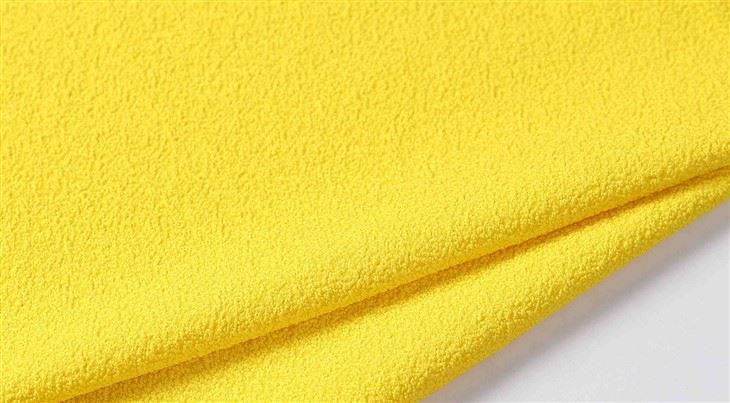
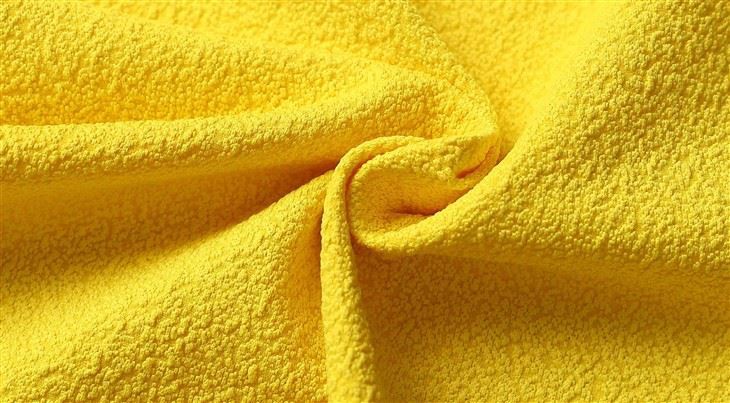
Woven fabrics are created by interlacing two or more sets of yarns at right angles to each other. This process results in a structured and stable fabric with a distinct grain. Woven swimwear fabrics typically have a smooth and flat surface, which gives them a sleek and polished appearance. They are also known for their durability and resistance to stretching, making them ideal for swimwear that requires a more structured fit.
Advantages
- Durability: Woven fabrics are generally more durable than knitted fabrics, as the interlaced yarns provide a strong and stable structure. This makes them less likely to tear or stretch out of shape, even after repeated use and washing.
- Structured Fit: The stable nature of woven fabrics allows them to hold their shape well, providing a more structured fit for swimwear. This can be particularly beneficial for swimsuits that require support, such as one-piece suits or swim trunks.
- Variety of Patterns and Designs: Woven fabrics can be easily printed or woven with intricate patterns and designs, offering a wide range of options for swimwear designers. This allows for the creation of unique and eye-catching swimwear styles.
- Heat Resistance: Woven fabrics tend to have better heat resistance than knitted fabrics, making them suitable for swimwear that will be exposed to high temperatures, such as in a hot tub or sauna.
Disadvantages
- Limited Stretch: Unlike knitted fabrics, woven fabrics have limited stretch, which can restrict movement and make them less comfortable to wear. This can be a drawback for swimwear that requires a high degree of flexibility, such as swim leggings or rash guards.
- Less Breathable: Woven fabrics are generally less breathable than knitted fabrics, as the tight weave restricts air circulation. This can make them feel hot and uncomfortable, especially in warm weather or during intense physical activity.
- Higher Cost: Woven fabrics are often more expensive to produce than knitted fabrics, due to the more complex weaving process and the use of higher-quality yarns. This can result in a higher cost for the final swimwear product.
Knitted Swimwear Fabrics
Characteristics
Knitted fabrics are created by interlocking loops of yarn, either by hand or using a knitting machine. This process results in a flexible and stretchy fabric with a soft and comfortable texture. Knitted swimwear fabrics typically have a more forgiving fit, as they can stretch and conform to the body's contours.
Advantages
- High Stretch: One of the biggest advantages of knitted fabrics is their high stretchability. This allows for a greater range of motion and a more comfortable fit, making them ideal for swimwear that requires flexibility, such as bikinis, swim shorts, and active swimwear.
- Breathability: Knitted fabrics are generally more breathable than woven fabrics, as the loose knit structure allows air to circulate freely. This helps to keep the body cool and dry, even in hot and humid conditions.
- Comfort: The soft and flexible nature of knitted fabrics makes them extremely comfortable to wear, even for extended periods of time. They also have a gentle touch on the skin, reducing the risk of irritation or chafing.
- Easy to Care for: Knitted fabrics are generally easier to care for than woven fabrics, as they are more resistant to wrinkles and can often be machine washed and dried. This makes them a convenient choice for busy individuals who want to spend less time on laundry.
Disadvantages
- Less Durable: Knitted fabrics are generally less durable than woven fabrics, as the interlocked loops can be more easily pulled apart or snagged. This can result in a shorter lifespan for the swimwear, especially if it is worn frequently or subjected to rough treatment.
- Limited Style Options: While knitted fabrics can be printed or embroidered with various patterns and designs, they may not offer the same level of intricate detailing as woven fabrics. This can limit the style options for swimwear designers who are looking for a more elaborate or structured look.
- Shape Retention: Knitted fabrics tend to have less shape retention than woven fabrics, meaning they may stretch out of shape over time, especially if they are not properly cared for. This can result in a less flattering fit for the swimwear.
Comparison of Woven and Knitted Swimwear Fabrics
When comparing woven and knitted swimwear fabrics, it's important to consider the specific needs and preferences of your target market. Here is a summary of the key differences between the two types of fabrics:
| Feature | Woven Fabrics | Knitted Fabrics |
|---|---|---|
| Stretch | Limited | High |
| Durability | High | Medium |
| Fit | Structured | Forgiving |
| Breathability | Low | High |
| Style Options | Wide range of patterns and designs | Limited intricate detailing |
| Comfort | Less comfortable due to limited stretch | More comfortable due to high stretch |
| Care | More difficult to care for | Easier to care for |
| Cost | Higher | Lower |
Applications of Woven and Knitted Swimwear Fabrics
Both woven and knitted swimwear fabrics have their own unique characteristics and advantages, which make them suitable for different types of swimwear. Here are some common applications for each type of fabric:
Woven Fabrics
- One-Piece Swimsuits: Woven fabrics are often used for one-piece swimsuits, as they provide a structured and supportive fit. They can also be printed or woven with intricate patterns and designs to create a stylish and eye-catching look.
- Swim Trunks: Woven fabrics are a popular choice for swim trunks, as they offer durability and a classic look. They can be made from a variety of materials, including cotton, polyester, and nylon, to suit different preferences and needs.
- Swim Dresses: Woven fabrics are also commonly used for swim dresses, as they provide a more structured and feminine silhouette. They can be paired with a coordinating swimsuit top or worn on their own for a versatile and stylish look.
Knitted Fabrics
- Bikinis: Knitted fabrics are the go-to choice for bikinis, as they offer high stretch and a comfortable fit. They can be made from a variety of materials, including spandex, nylon, and polyester, to provide different levels of support and coverage.
- Swim Shorts: Knitted fabrics are also popular for swim shorts, as they offer a more relaxed and comfortable fit than woven fabrics. They can be made from a variety of materials, including cotton, polyester, and nylon, to suit different preferences and needs.
- Active Swimwear: Knitted fabrics are ideal for active swimwear, such as swim leggings, rash guards, and swim caps, as they provide a high degree of flexibility and mobility. They can also be made from moisture-wicking materials to keep the body dry and comfortable during intense physical activity.
Eco-Friendly Options
In today's environmentally conscious world, many consumers are looking for eco-friendly swimwear options. As a supplier of Swimwear Textile Fabrics, we are committed to offering a range of sustainable fabrics that are both stylish and environmentally friendly. Our Eco Friendly Swimsuits Fabric is made from recycled materials, such as plastic bottles and fishing nets, and is designed to be both durable and comfortable.
Buying Swim Fabric by the Yard
If you are a swimwear designer or manufacturer, you may be interested in buying Swim Fabric By The Yard. This allows you to purchase the exact amount of fabric you need for your project, without having to worry about minimum order quantities. Our swim fabric by the yard is available in a wide range of colors, patterns, and textures, making it easy to find the perfect material for your swimwear designs.
Ribbed Jersey for Swimwear
Ribbed jersey is a popular choice for swimwear, as it offers a combination of stretch, comfort, and style. Our Ribbed Jersey fabric is made from a blend of spandex and nylon, which provides a high degree of stretch and recovery. The ribbed texture adds a unique and stylish element to the swimwear, while also providing a bit of extra support.
Conclusion
In conclusion, the choice between woven and knitted swimwear fabrics depends on a variety of factors, including the style, fit, durability, and comfort of the swimwear. Both types of fabrics have their own unique characteristics and advantages, and it's important to choose the one that best suits your specific needs and preferences. As a supplier of Swimwear Textile Fabrics, we offer a wide range of woven and knitted fabrics, as well as eco-friendly options, to meet the needs of our customers. If you have any questions or would like to discuss your swimwear fabric requirements, please don't hesitate to contact us. We look forward to working with you to create the perfect swimwear for your brand.
References
- Textile Institute. (2023). Textile Terms and Definitions.
- Horrocks, A. R., & Anand, S. C. (Eds.). (2011). Handbook of technical textiles. Woodhead Publishing.
