


Metallic plain fabric, a remarkable textile product, has been gaining increasing attention in various industries due to its unique properties. As a supplier of metallic plain fabric, I am delighted to delve into the insulation properties of this extraordinary material.

Understanding Metallic Plain Fabric
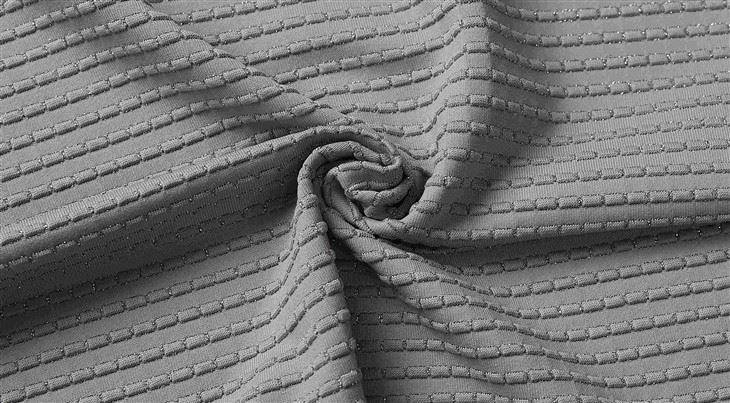
Metallic plain fabric is a type of textile that incorporates metallic elements into its structure. The metallic components can be in the form of metallic yarns, which are often made by wrapping a thin layer of metal around a core fiber, such as polyester or nylon. These metallic yarns are then woven or knitted into the fabric to create a plain weave pattern. This results in a fabric that combines the aesthetic appeal of metal with the flexibility and comfort of traditional textiles.
There are various Metallic Fabric Types available in the market, each with its own characteristics and applications. Some metallic plain fabrics are designed for decorative purposes, while others are engineered for functional applications, such as insulation.
Insulation Mechanisms of Metallic Plain Fabric
The insulation properties of metallic plain fabric stem from several mechanisms. One of the primary factors is the reflective nature of the metal. Metals are excellent reflectors of heat radiation. When heat is radiated towards the metallic plain fabric, a significant portion of the heat is reflected back, preventing it from passing through the fabric. This reflective property is particularly effective in reducing heat transfer by radiation, which is one of the three main modes of heat transfer (the other two being conduction and convection).
In addition to reflection, metallic plain fabric also provides some degree of insulation through conduction. The metallic yarns in the fabric have relatively low thermal conductivity compared to some other materials. This means that they do not readily conduct heat from one side of the fabric to the other. The structure of the fabric, with its intertwined metallic and non - metallic fibers, further disrupts the flow of heat through conduction, creating a barrier that slows down the transfer of thermal energy.
Convection is another mode of heat transfer that metallic plain fabric can help to mitigate. The fabric's dense weave or knit can prevent the movement of air through it. Since convection relies on the movement of air to transfer heat, the reduced air permeability of metallic plain fabric limits the convective heat transfer. This is especially important in applications where maintaining a stable temperature is crucial.
Applications Based on Insulation Properties
The insulation properties of metallic plain fabric make it suitable for a wide range of applications. In the automotive industry, it can be used in car interiors to reduce heat transfer from the engine compartment to the passenger area. This helps to keep the interior cooler in hot weather and can also contribute to energy savings by reducing the load on the air - conditioning system.
In the construction industry, metallic plain fabric can be incorporated into building materials, such as insulation panels or curtains. It can be used as a lining for windows or walls to reflect solar radiation and reduce heat gain during the summer months. In cold climates, it can also help to retain heat inside the building by preventing heat from escaping through the walls or windows.
The fashion industry also benefits from the insulation properties of metallic plain fabric. Metallic Bikini Fabric can provide a certain level of protection from the sun's heat while still offering a stylish and unique look. In winter clothing, metallic plain fabric can be used as an inner layer to add an extra layer of insulation without adding excessive bulk.
Factors Affecting Insulation Performance
Several factors can influence the insulation performance of metallic plain fabric. The type and amount of metal used in the fabric play a crucial role. Different metals have different reflective properties and thermal conductivities. For example, aluminum is a commonly used metal in metallic plain fabric due to its high reflectivity and relatively low cost. The more metallic yarns are incorporated into the fabric, the better its insulation performance is likely to be, as there will be more surface area available for heat reflection.
The weave or knit structure of the fabric also affects insulation. A tighter weave or knit generally results in better insulation, as it reduces air permeability and provides a more continuous surface for heat reflection. Additionally, the thickness of the fabric can impact its insulation capabilities. Thicker fabrics typically offer better insulation, as they have more material to impede the transfer of heat.
The environment in which the fabric is used can also influence its insulation performance. For instance, in a humid environment, the presence of moisture can affect the reflective properties of the metal and the overall insulation of the fabric. High humidity can cause corrosion of the metal, which may reduce its reflectivity and potentially degrade the fabric's insulation performance over time.
Comparison with Other Insulation Materials
When compared to other insulation materials, metallic plain fabric has several advantages. Unlike some traditional insulation materials, such as fiberglass or foam, metallic plain fabric is flexible and lightweight. This makes it easier to handle and install in various applications. It can be easily cut, sewn, or molded to fit different shapes and sizes.
Metallic plain fabric also offers aesthetic appeal. Its shiny, metallic appearance can be used to enhance the visual appeal of products, in addition to providing insulation. In contrast, many other insulation materials have a more utilitarian look and may require additional finishing or covering to be aesthetically pleasing.
However, metallic plain fabric also has some limitations. It may not provide as high a level of insulation as some specialized insulation materials, such as high - density foam insulation. Additionally, its cost can be relatively higher than some basic insulation materials, which may limit its use in some cost - sensitive applications.
Maintaining and Improving Insulation Properties
To maintain the insulation properties of metallic plain fabric, proper care is essential. Avoid exposing the fabric to harsh chemicals or abrasive materials that could damage the metal or the fabric structure. Regular cleaning with mild detergents and gentle washing can help to keep the fabric in good condition.
There are also ways to improve the insulation performance of metallic plain fabric. One approach is to combine it with other insulation materials. For example, it can be laminated with a layer of foam or fiber insulation to create a composite material with enhanced insulation capabilities. Another method is to treat the fabric with special coatings that can further enhance its reflective or insulating properties.
Conclusion
In conclusion, metallic plain fabric offers unique insulation properties due to its reflective, conductive, and air - blocking characteristics. Its versatility makes it suitable for a wide range of applications in various industries, from automotive and construction to fashion. While it has its advantages and limitations compared to other insulation materials, its flexibility, aesthetic appeal, and potential for customization make it an attractive option for many users.
If you are interested in exploring the potential of metallic plain fabric for your insulation needs or other applications, I encourage you to reach out for a detailed discussion. We can work together to find the best solution that meets your specific requirements. Whether you are looking for a fabric with a specific Metallic Yarn Patterns or need a custom - made insulation solution, we are here to assist you. Contact us today to start the procurement process and discover the benefits of our high - quality metallic plain fabric.
References
- Incropera, F. P., & DeWitt, D. P. (2002). Fundamentals of Heat and Mass Transfer. John Wiley & Sons.
- Ashby, M. F. (2005). Materials Selection in Mechanical Design. Butterworth - Heinemann.
- Textile Institute. (2010). Handbook of Textile Fibre Structure. Woodhead Publishing.
