


Colorfastness is a critical aspect when it comes to printed fabrics. As a supplier of a wide range of printed fabrics, I understand the importance of colorfastness for both manufacturers and end - users. In this blog, I will delve into the colorfastness properties of printed fabric, exploring what it is, the factors affecting it, and how we ensure high - quality colorfastness in our products.
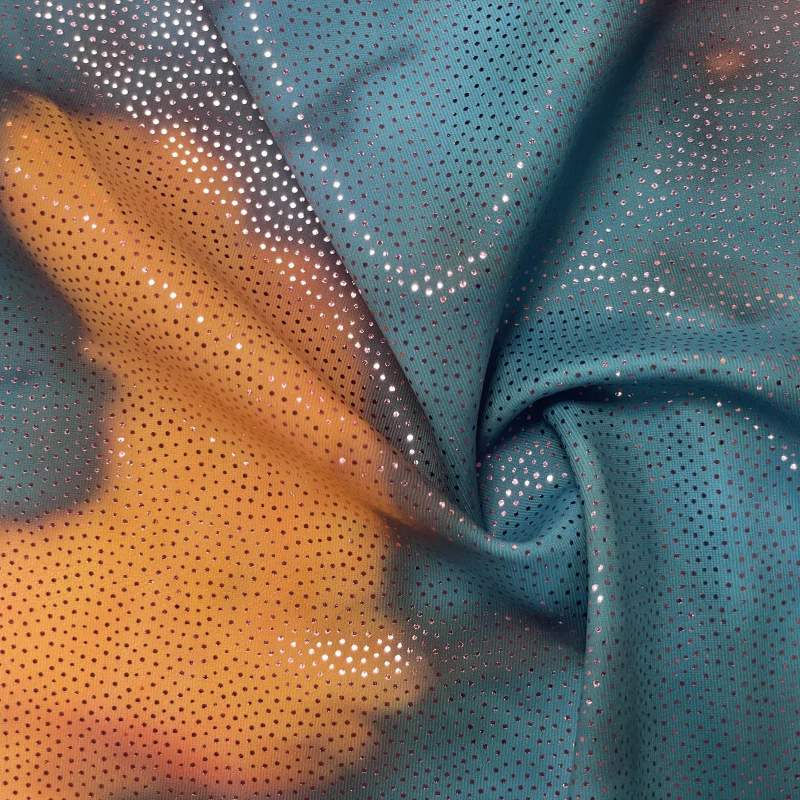

What is Colorfastness?
Colorfastness refers to the ability of a fabric's color to resist fading, bleeding, or changing under various conditions such as washing, light exposure, rubbing, and perspiration. A fabric with good colorfastness retains its original color and appearance over time, even after multiple uses and exposures to different environmental factors.
Factors Affecting Colorfastness
1. Dye and Printing Method
The type of dye used in the printing process has a significant impact on colorfastness. Reactive dyes, for example, form a chemical bond with the fabric fibers, resulting in excellent colorfastness to washing and light. They are commonly used for cotton and other natural fibers. Disperse dyes, on the other hand, are suitable for synthetic fibers like polyester. They have good colorfastness properties but may vary depending on the specific formulation and the printing conditions.
The printing method also matters. Digital printing, which has gained popularity in recent years, offers high - resolution and precise color reproduction. However, the colorfastness can be affected by the ink quality and the post - treatment processes. Screen printing, a more traditional method, can provide good colorfastness if the right dyes and binders are used.
2. Fabric Type
Different fabric types have different absorption and retention capabilities for dyes. Natural fibers such as cotton, silk, and wool are porous and can absorb dyes well, but they may also be more prone to color fading under certain conditions. Synthetic fibers like polyester and nylon have a more compact structure, which can provide better colorfastness in some cases. For instance, polyester fabrics often have good resistance to light and washing, making them suitable for outdoor applications.
3. Environmental Conditions
Exposure to light, heat, moisture, and chemicals can all affect the colorfastness of printed fabrics. Ultraviolet (UV) rays from sunlight can cause dyes to break down and fade over time. High temperatures during washing or ironing can also accelerate color loss. Moisture, especially in combination with heat, can lead to dye bleeding. Chemicals such as detergents, bleach, and perspiration can react with the dyes and cause color changes.
Our Approach to Ensuring Colorfastness
As a printed fabric supplier, we take several steps to ensure that our products have excellent colorfastness properties.
1. Quality Dyes and Inks
We source high - quality dyes and inks from reputable suppliers. Our dyes are carefully selected based on their colorfastness ratings and compatibility with different fabric types. For example, when printing on polyester fabrics, we use disperse dyes that are specifically formulated for good light and washing fastness.
2. Advanced Printing Technology
We invest in state - of - the - art printing equipment and technology to ensure precise and consistent color application. Our digital printing machines are capable of producing high - quality prints with accurate color matching. We also have strict quality control measures in place during the printing process to ensure that the dyes are properly fixed to the fabric.
3. Post - Treatment Processes
After printing, our fabrics undergo a series of post - treatment processes to enhance colorfastness. These may include heat setting, washing, and chemical treatments. Heat setting helps to fix the dyes to the fabric fibers, making them more resistant to fading. Washing removes any excess dyes and chemicals, reducing the risk of color bleeding. Chemical treatments can provide additional protection against light, moisture, and chemicals.
Examples of Our Printed Fabrics with Good Colorfastness
1. Bubble Cloth Digital Transfer Printing Fabric
Our Bubble Cloth Digital Transfer Printing Fabric is made of high - quality polyester material. The digital transfer printing process ensures sharp and vibrant colors. Thanks to the use of high - quality disperse dyes and advanced post - treatment processes, this fabric has excellent colorfastness to light and washing. It is suitable for a variety of applications, including clothing, home decor, and bags.
2. Plant Printed Fabrics
The Plant Printed Fabrics feature beautiful plant - inspired designs. We use reactive dyes for printing on cotton - based fabrics, which provide good colorfastness to washing and rubbing. These fabrics are perfect for creating eco - friendly and stylish clothing, as well as tablecloths and curtains.
3. Jacquard Fabric Printed Fabric
Our Jacquard Fabric Printed Fabric combines the elegance of jacquard weave with high - quality printing. The fabric is made of a blend of polyester and other fibers, which offers a good balance of durability and colorfastness. The printing process is carefully controlled to ensure that the colors are well - defined and long - lasting.
Testing Colorfastness
To ensure the quality of our printed fabrics, we conduct regular colorfastness testing. We follow international standards such as ISO and AATCC for testing methods. These tests include colorfastness to washing, light, rubbing, and perspiration. By conducting these tests, we can accurately assess the colorfastness properties of our fabrics and make any necessary adjustments to our production processes.
Importance of Colorfastness for Customers
For customers, colorfastness is not just about the aesthetic appeal of the fabric. It also affects the durability and longevity of the products made from the fabric. A fabric with poor colorfastness may fade or bleed after a few washes, making the product look old and worn out. This can lead to customer dissatisfaction and a negative impact on the brand reputation. On the other hand, a fabric with good colorfastness ensures that the products maintain their original appearance for a long time, providing better value for money.
Conclusion
Colorfastness is a crucial property of printed fabrics. As a printed fabric supplier, we are committed to providing our customers with high - quality fabrics that have excellent colorfastness. By using quality dyes and inks, advanced printing technology, and proper post - treatment processes, we ensure that our fabrics can withstand various environmental conditions and maintain their vibrant colors over time.
If you are interested in our printed fabrics and would like to discuss your specific requirements, we welcome you to contact us for a procurement negotiation. We look forward to working with you to meet your needs and provide you with the best possible printed fabric solutions.
References
- ISO Standards for Textiles - Colorfastness Tests
- AATCC Technical Manual for Textile Testing
- Textile Chemistry and Coloration by Harold L. Needles
