


Hey there, fabric enthusiasts! As a supplier of Soft Ribbed Knit Fabric, I get asked all the time about how to make this already lovely fabric even softer. Well, you're in luck because I'm here to share some tried - and - true tips and tricks.
Understanding Soft Ribbed Knit Fabric
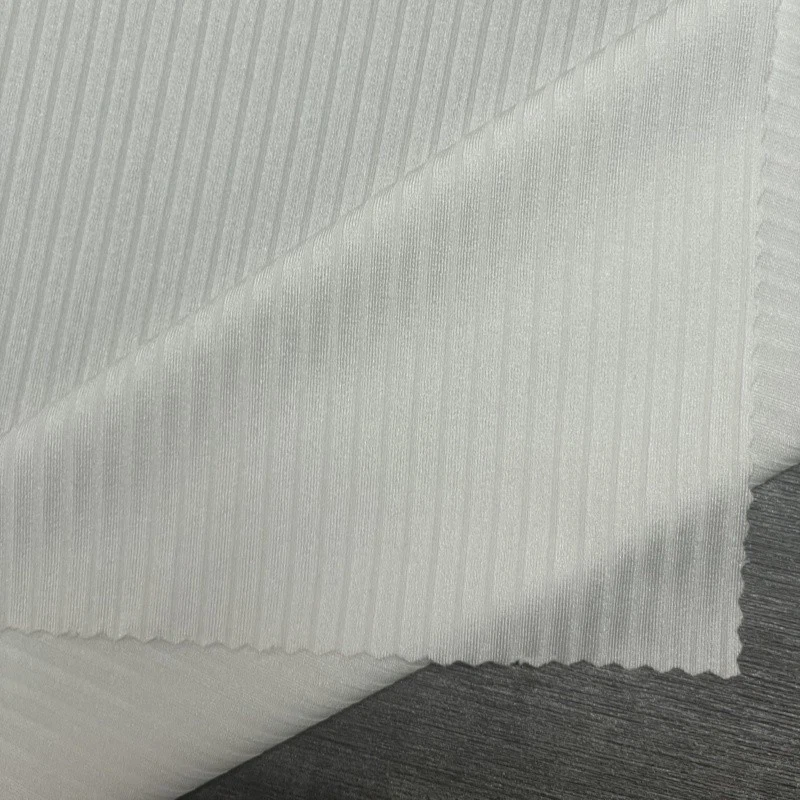
First things first, let's talk a bit about what soft ribbed knit fabric is. It's a type of fabric that has those characteristic ribs running through it. These ribs give the fabric some stretch and structure, making it great for all sorts of applications, from clothing to home decor. Whether you're looking at Rib Fabric or Knitted Rib Fabric for Yoga Wear, the basic properties are similar.
The softness of ribbed knit fabric mainly depends on the fibers used, the knitting technique, and the finishing process. Natural fibers like cotton and wool tend to be softer, but synthetic fibers can also offer softness with the right treatment.
Choosing the Right Fibers
If you're starting from scratch and want to end up with super - soft ribbed knit fabric, fiber selection is key.
Cotton: Cotton is a classic choice. It's breathable, absorbent, and naturally soft. Organic cotton is even better as it's grown without the use of harsh pesticides and chemicals. When the cotton fibers are long and of high quality, they create a smoother and softer fabric surface.
Wool: Merino wool is a top pick for softness. It's incredibly fine and has a natural crimp that gives it elasticity and softness. Wool also has excellent moisture - wicking properties, making it great for activewear.
Bamboo: Bamboo fibers are another option. They're soft, hypoallergenic, and have natural antibacterial properties. Bamboo - based ribbed knit fabric is not only soft but also eco - friendly.
Synthetics: Polyester and nylon can be made soft, too. Microfiber synthetics are especially known for their soft touch. They're also durable and easy to care for.
The Knitting Process
The way the fabric is knitted can also affect its softness.
Loose Knit: A looser knit will generally result in a softer fabric. When the stitches are not too tight, the fabric has more give and feels less restrictive against the skin. This is why some of the coziest ribbed sweaters have a bit of a loose, open knit.
Fine Gauge: Using a fine - gauge knitting machine means that the yarn is knitted with smaller stitches. This can create a smoother, more delicate fabric surface that feels softer to the touch.
Pre - Treatment of the Yarn
Before the yarn is knitted into fabric, there are some things we can do to make it softer.

Yarn Conditioning: Soaking the yarn in a solution of water and fabric softener or hair conditioner can work wonders. Let the yarn soak for about 30 minutes, then gently squeeze out the excess liquid without wringing it. Hang the yarn to dry. This process can make the yarn more pliable and softer, which in turn will result in a softer fabric.
Adding Softening Agents: Some manufacturers add special softening agents to the yarn during the spinning process. These agents can coat the fibers and reduce friction between them, making the fabric feel softer.
Post - Knitting Treatments
Once the ribbed knit fabric is knitted, there are still ways to enhance its softness.
Washing: Use a gentle detergent and a fabric softener when washing the fabric. Avoid using hot water as it can cause the fibers to shrink and become less soft. Instead, opt for lukewarm or cold water. Also, don't overload the washing machine, as this can cause the fabric to rub against itself too harshly.
Drying: Air - drying is the gentlest way to dry the fabric. If you must use a dryer, use the lowest heat setting and add a dryer sheet. Tumble - drying on high heat can cause the fibers to become brittle and lose their softness.
Brushing: Using a soft brush, gently brush the surface of the fabric. This can fluff up the fibers and make the fabric feel even softer. Be careful not to brush too hard, as this can damage the fabric.
Special Finishing Processes
There are some advanced finishing processes that can take the softness of ribbed knit fabric to the next level.
Enzyme Treatment: Enzymes can be used to break down the rough edges of the fibers. This results in a smoother fabric surface, which feels softer. The enzyme treatment is often used in the production of high - end Jacquard Rib Knit Fabric to enhance its softness and appearance.
Silicone Coating: A silicone coating can be applied to the fabric. This creates a slippery surface that feels soft and luxurious. However, it's important to make sure that the silicone coating is breathable and doesn't affect the fabric's natural properties.
Storage and Care
Proper storage and care can also help maintain the softness of the ribbed knit fabric over time.
Folding vs. Hanging: Folding the fabric is better than hanging it, as hanging can cause the fabric to stretch and lose its shape. If you do hang the fabric, use wide - padded hangers to minimize stress on the fibers.
Avoiding Abrasion: Keep the fabric away from rough surfaces and sharp objects. Abrasion can damage the fibers and make the fabric feel less soft.
Conclusion
Making soft ribbed knit fabric even softer is a combination of choosing the right fibers, using the appropriate knitting and finishing techniques, and proper care. Whether you're a manufacturer looking for ways to improve the quality of your products or a consumer wanting to keep your favorite ribbed knit items in top - notch condition, these tips can help you achieve that extra level of softness.
If you're in the market for high - quality Soft Ribbed Knit Fabric and want to discuss your specific needs, feel free to reach out. We're always happy to have a chat and see how we can help you with your fabric requirements.
References
- Textile Chemistry and Technology textbooks
- Fabric manufacturing industry reports
