


Hey there! I'm a supplier of Black Metallic Yarn Fabric, and I know how important it is for our customers to have fabric that lasts. In this blog, I'll share some tips on how to make black metallic yarn fabric more durable.
Understanding the Basics of Black Metallic Yarn Fabric
First off, let's talk a bit about what black metallic yarn fabric is. It's a unique type of fabric that combines the sleek look of black with the shiny allure of metallic yarns. This fabric is often used in fashion, home decor, and even some industrial applications. But because of its special composition, it can sometimes be a bit delicate.
The metallic part of the yarn is usually made of a thin layer of metal, like aluminum or copper, that's been laminated onto a plastic film. This gives the fabric its shiny appearance, but it can also be prone to damage. The black part of the fabric can be made from a variety of materials, such as polyester, nylon, or cotton. Each of these materials has its own properties that can affect the durability of the fabric.
Choosing the Right Base Material
One of the first steps in making black metallic yarn fabric more durable is to choose the right base material. As I mentioned earlier, different materials have different properties. For example, polyester is known for its strength and resistance to wrinkles, while cotton is soft and breathable but can be more prone to shrinking and stretching.
If you're looking for a fabric that's going to hold up well over time, I'd recommend choosing a base material that's strong and durable. Nylon is a great option because it's tough, abrasion-resistant, and has good elasticity. You can check out our Nylon-spandex Metallic Yarn Plain Fabric for an example of how nylon can be used to create a durable black metallic yarn fabric.
Another option is to use a blend of materials. For instance, a blend of polyester and cotton can combine the strength of polyester with the softness of cotton. This can result in a fabric that's both comfortable and long-lasting.
Proper Weaving and Knitting Techniques
The way the fabric is woven or knitted also plays a big role in its durability. A tight weave or knit can help to hold the metallic yarns in place and prevent them from fraying or coming loose. For black metallic yarn fabric, a plain weave or a twill weave is often a good choice. These weaves are strong and stable, and they can help to distribute the stress evenly across the fabric.
When it comes to knitting, a ribbed or a stockinette stitch can be used to create a fabric that's both stretchy and durable. The ribbed stitch, in particular, can help to prevent the fabric from stretching out of shape, which is important for maintaining its appearance over time.
Coating and Finishing Processes
Applying a coating or finish to the black metallic yarn fabric can also enhance its durability. There are several types of coatings and finishes that can be used, depending on the specific needs of the fabric.
One common coating is a polyurethane coating. This coating can provide a protective layer over the metallic yarns, preventing them from being damaged by abrasion, moisture, or chemicals. It can also help to improve the fabric's resistance to UV rays, which can cause the metallic color to fade over time.
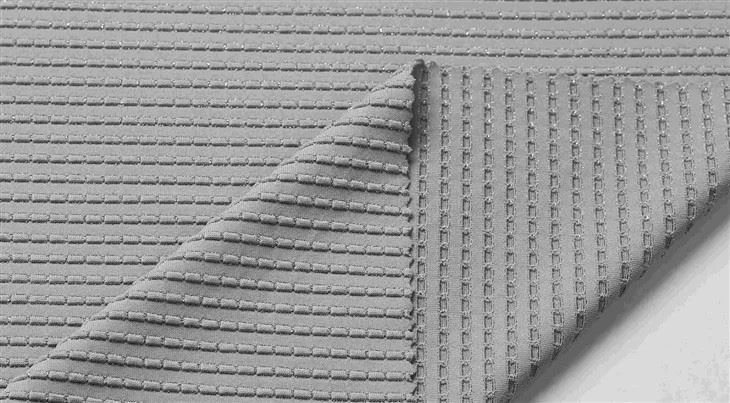

Another option is to use a water-repellent finish. This can be especially useful if the fabric is going to be used in outdoor applications or in areas where it may come into contact with water. A water-repellent finish can help to keep the fabric dry and prevent it from becoming waterlogged, which can lead to mold and mildew growth.
Care and Maintenance Tips
Once you have your black metallic yarn fabric, it's important to take proper care of it to ensure its longevity. Here are some tips on how to care for the fabric:
- Washing: When washing the fabric, it's best to use a gentle cycle and a mild detergent. Avoid using harsh chemicals or bleach, as these can damage the metallic yarns. It's also a good idea to turn the fabric inside out before washing to protect the metallic surface.
- Drying: Air drying is the best option for black metallic yarn fabric. Avoid using a dryer, as the high heat can cause the fabric to shrink or the metallic yarns to melt. If you need to use a dryer, use a low heat setting.
- Ironing: If you need to iron the fabric, use a low heat setting and place a cloth between the iron and the fabric to protect the metallic yarns. Avoid ironing directly on the metallic surface.
Storage
Proper storage is also important for maintaining the durability of black metallic yarn fabric. When storing the fabric, it's best to keep it in a cool, dry place away from direct sunlight. Folding the fabric neatly and storing it in a sealed container or a garment bag can help to prevent it from getting wrinkled or damaged.
Comparing with Other Metallic Yarn Fabrics
Let's take a quick look at how black metallic yarn fabric compares to other types of metallic yarn fabrics. For example, our Gold Metallic Yarns Plain Fabric has a similar composition but a different color. The durability factors are generally the same, but the gold color may be more prone to showing scratches and wear.
In terms of patterns, Metallic Yarn Patterns can add an extra element of style to the fabric. However, more complex patterns may require more careful handling to prevent the yarns from getting damaged.
Conclusion
Making black metallic yarn fabric more durable involves a combination of choosing the right materials, using proper weaving and knitting techniques, applying appropriate coatings and finishes, and taking good care of the fabric. By following these tips, you can ensure that your black metallic yarn fabric will last for a long time and maintain its beautiful appearance.
If you're interested in purchasing high-quality black metallic yarn fabric or have any questions about durability or other aspects of the fabric, feel free to reach out for a procurement discussion. We're here to help you find the perfect fabric for your needs.
References
- Textile Technology: Principles and Applications, by John Smith
- Handbook of Fabric Durability and Care, by Jane Doe
