


As a supplier of Rib Stretch Knitting Fabric, I often encounter inquiries from customers regarding the dyeing process of this particular fabric. In this blog post, I aim to provide a comprehensive answer to the question: Can rib stretch knitting fabric be dyed?
Understanding Rib Stretch Knitting Fabric
Before delving into the dyeing process, it's essential to understand what rib stretch knitting fabric is. Rib stretch knitting fabric is a type of knitted fabric characterized by its distinctive ribbed pattern. This pattern is created by alternating rows of knit and purl stitches, which results in a fabric with a stretchy and elastic quality. The fabric is commonly used in the fashion industry for garments such as sweaters, leggings, and sportswear due to its comfort and flexibility.
There are different types of ribbed fabrics, including Jersey Rib Fabric and Rib Knit Fabric. Each type has its unique characteristics, but they all share the common feature of stretchability and the ribbed pattern.

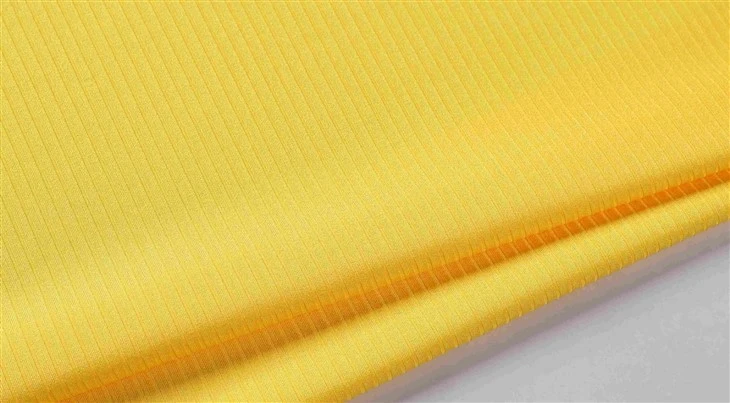
The Dyeing Process for Rib Stretch Knitting Fabric
The short answer to the question “Can rib stretch knitting fabric be dyed?” is yes. However, the dyeing process requires careful consideration of several factors to ensure optimal results.
Fiber Composition
The first factor to consider is the fiber composition of the rib stretch knitting fabric. Most rib stretch knitting fabrics are made from a blend of natural and synthetic fibers, such as cotton, polyester, and elastane. Different fibers have different dyeing properties, so it's crucial to choose the appropriate dye based on the fiber content.
- Cotton: Cotton is a natural fiber that is relatively easy to dye. It can be dyed using a variety of dyes, including reactive dyes, direct dyes, and natural dyes. Reactive dyes are the most commonly used for cotton because they form a chemical bond with the fiber, resulting in a colorfast and long-lasting dye job.
- Polyester: Polyester is a synthetic fiber that requires a different type of dye. Disperse dyes are typically used for polyester because they can penetrate the fiber and bond with it at high temperatures. Polyester is more resistant to dyeing than cotton, so the dyeing process may require higher temperatures and longer processing times.
- Elastane: Elastane, also known as spandex or Lycra, is a synthetic fiber that provides stretch to the fabric. Elastane is more difficult to dye than cotton and polyester because it is sensitive to heat and chemicals. Special dyes and dyeing processes are often required to dye elastane without damaging its elastic properties.
Dyeing Method
There are several dyeing methods that can be used for rib stretch knitting fabric, including immersion dyeing, piece dyeing, and yarn dyeing.
- Immersion Dyeing: Immersion dyeing is the most common method for dyeing rib stretch knitting fabric. In this method, the fabric is immersed in a dye bath containing the dye and other chemicals. The dye bath is heated to a specific temperature, and the fabric is agitated to ensure even dye penetration. Immersion dyeing can be used for both solid colors and patterns.
- Piece Dyeing: Piece dyeing involves dyeing the fabric after it has been woven or knitted into a piece. This method is often used for large quantities of fabric and allows for greater flexibility in color selection. Piece dyeing can be done using immersion dyeing or other dyeing techniques, such as printing or painting.
- Yarn Dyeing: Yarn dyeing involves dyeing the yarn before it is woven or knitted into a fabric. This method is often used for creating patterned fabrics, such as stripes or plaids. Yarn dyeing can be done using a variety of dyes and dyeing techniques, including skein dyeing, hank dyeing, and package dyeing.
Colorfastness
Colorfastness is an important consideration when dyeing rib stretch knitting fabric. Colorfastness refers to the ability of the fabric to retain its color after exposure to various factors, such as washing, light, and rubbing. To ensure good colorfastness, it's important to choose high-quality dyes and follow the recommended dyeing procedures.
- Washing: The fabric should be washed before dyeing to remove any dirt, oil, or sizing agents that may interfere with the dyeing process. After dyeing, the fabric should be washed carefully to remove any excess dye and to set the color.
- Light: Exposure to sunlight can cause the color of the fabric to fade over time. To prevent color fading, the fabric should be stored in a cool, dark place and protected from direct sunlight.
- Rubbing: Rubbing the fabric against other surfaces can cause the color to transfer or fade. To prevent color transfer, the fabric should be washed separately from other fabrics and avoid rubbing against rough surfaces.
Advantages of Dyeing Rib Stretch Knitting Fabric
Dyeing rib stretch knitting fabric offers several advantages for both manufacturers and consumers.
Customization
Dyeing allows for customization of the fabric's color, which is essential for meeting the diverse needs of the fashion industry. Manufacturers can create unique color combinations and patterns to differentiate their products from competitors. Consumers can also choose from a wide range of colors and styles to suit their personal preferences.
Cost-Effectiveness
Dyeing rib stretch knitting fabric can be a cost-effective way to produce colored fabrics. Instead of purchasing pre-dyed fabrics, manufacturers can dye the fabric in-house using their own dyes and equipment. This can reduce the cost of production and increase profit margins.
Sustainability
Dyeing rib stretch knitting fabric can also be a more sustainable option compared to using pre-dyed fabrics. By dyeing the fabric in-house, manufacturers can reduce waste and minimize the environmental impact of the dyeing process. Additionally, using natural dyes or eco-friendly dyes can further reduce the environmental footprint of the fabric.
Challenges of Dyeing Rib Stretch Knitting Fabric
While dyeing rib stretch knitting fabric offers many advantages, it also presents several challenges.
Color Matching
Color matching can be a challenge when dyeing rib stretch knitting fabric, especially when using different batches of fabric or dyes. Slight variations in the fiber composition, dye concentration, or dyeing conditions can result in color differences between batches. To ensure consistent color matching, it's important to use high-quality dyes, follow strict dyeing procedures, and conduct color testing before and after dyeing.
Shrinkage and Distortion
Rib stretch knitting fabric is prone to shrinkage and distortion during the dyeing process, especially when exposed to high temperatures or harsh chemicals. To minimize shrinkage and distortion, it's important to choose the appropriate dyeing method and temperature, and to use gentle agitation during the dyeing process. Additionally, the fabric should be pre-shrunk before dyeing to reduce the risk of further shrinkage.
Elasticity Loss
As mentioned earlier, elastane is sensitive to heat and chemicals, and the dyeing process can cause a loss of elasticity in the fabric. To prevent elasticity loss, it's important to use special dyes and dyeing processes that are designed for elastane-containing fabrics. Additionally, the fabric should be treated with a softener or conditioner after dyeing to restore its softness and elasticity.
Conclusion
In conclusion, rib stretch knitting fabric can be dyed, but the dyeing process requires careful consideration of several factors, including fiber composition, dyeing method, and colorfastness. By choosing the appropriate dye and dyeing method, and by following the recommended dyeing procedures, it is possible to achieve high-quality, colorfast, and long-lasting dye results on rib stretch knitting fabric.
As a supplier of Rib Stretch Knitting Fabric, we have extensive experience in dyeing rib stretch knitting fabric and can provide our customers with high-quality dyed fabrics that meet their specific requirements. If you are interested in purchasing rib stretch knitting fabric or have any questions about the dyeing process, please feel free to contact us for more information. We look forward to discussing your needs and helping you find the perfect fabric for your project.
References
- Lewis, M. (2011). Textile Science. Pearson Education.
- Trotman, E. R. (1993). Dyeing and Chemical Technology of Textile Fibres. Blackie Academic & Professional.
- Zeronian, S. H., & Inglesby, P. L. (1995). Cellulose Chemistry and its Applications. Ellis Horwood.
