


As a supplier of lace ribbed fabric, I am often asked whether this type of fabric can be used for making bedding. This question is not only relevant to consumers looking for unique bedding options but also to businesses in the bedding industry seeking innovative materials. In this blog post, I will explore the suitability of lace ribbed fabric for bedding from various aspects, including its characteristics, advantages, potential drawbacks, and practical considerations.
Characteristics of Lace Ribbed Fabric
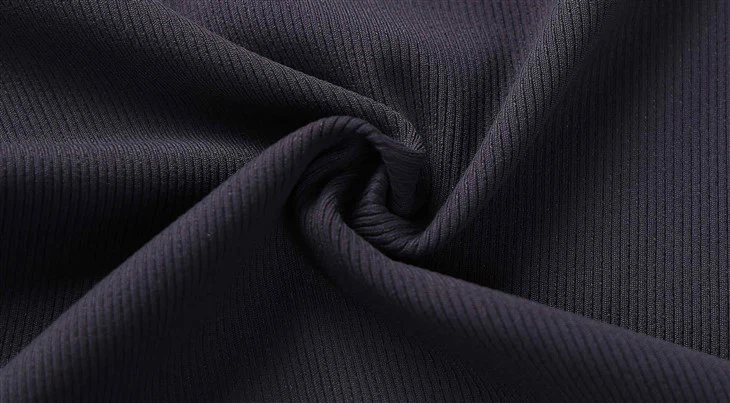
Lace ribbed fabric is a distinct textile that combines the delicate beauty of lace with the structured texture of ribbing. The ribbing is created by alternating columns of raised and depressed stitches, which gives the fabric a stretchy and elastic quality. This structure also provides a certain degree of stability and shape retention. On the other hand, the lace element adds an intricate and decorative touch, often featuring openwork patterns, floral motifs, or other ornamental designs.
The materials used to make lace ribbed fabric can vary widely. Common fibers include cotton, polyester, nylon, and blends of these materials. Cotton lace ribbed fabric is soft, breathable, and comfortable against the skin, making it a popular choice for clothing and bedding applications. Polyester, on the other hand, offers durability, wrinkle resistance, and easy care. Nylon adds strength and elasticity to the fabric. Depending on the specific blend and manufacturing process, lace ribbed fabric can have different levels of stretch, thickness, and texture.
Advantages of Using Lace Ribbed Fabric for Bedding
Aesthetic Appeal
One of the most significant advantages of using lace ribbed fabric for bedding is its aesthetic appeal. The intricate lace patterns can add a touch of elegance and romance to any bedroom. Whether you prefer a classic, vintage look or a more modern, contemporary style, lace ribbed fabric can be customized to suit your taste. The ribbing also adds a subtle texture that can enhance the overall visual interest of the bedding. For example, a duvet cover made from lace ribbed fabric can become the focal point of the room, creating a luxurious and inviting atmosphere.
Comfort
Comfort is a crucial factor when it comes to bedding. Lace ribbed fabric made from natural fibers like cotton is soft and gentle on the skin, making it suitable for people with sensitive skin. The stretchy nature of the ribbing allows the fabric to conform to the body, providing a snug and comfortable fit. Additionally, the openwork patterns in the lace can improve air circulation, helping to keep you cool and dry throughout the night. This makes lace ribbed fabric a great choice for bedding in warm climates or for those who tend to sleep hot.
Durability
When properly cared for, lace ribbed fabric can be quite durable. Polyester and nylon blends, in particular, offer excellent strength and resistance to wear and tear. The ribbing structure also helps to reinforce the fabric, making it less likely to tear or fray. This means that bedding made from lace ribbed fabric can last for many years, providing good value for your money.
Versatility
Lace ribbed fabric is highly versatile and can be used to create a variety of bedding items. In addition to duvet covers, it can be used for pillowcases, shams, bed skirts, and even sheets. You can mix and match different patterns and colors of lace ribbed fabric to create a unique and personalized bedding set. The fabric can also be combined with other materials, such as solid-colored cotton or silk, to add contrast and dimension to the design.
Potential Drawbacks of Using Lace Ribbed Fabric for Bedding
Cost
One of the main drawbacks of using lace ribbed fabric for bedding is the cost. The manufacturing process of lace ribbed fabric is often more complex and labor-intensive than that of traditional bedding fabrics, which can result in a higher price tag. Additionally, high-quality lace ribbed fabric made from natural fibers or premium blends can be even more expensive. However, if you are willing to invest in a high-quality bedding set, the aesthetic and comfort benefits of lace ribbed fabric may outweigh the cost.

Maintenance
Lace ribbed fabric requires special care to maintain its appearance and durability. The delicate lace patterns can be easily damaged if not handled properly. It is recommended to wash lace ribbed bedding in cold water on a gentle cycle and to avoid using harsh detergents or bleach. Additionally, the fabric should be dried on a low heat setting or air-dried to prevent shrinkage and damage to the lace. Ironing should be done on a low setting, preferably with a pressing cloth to protect the fabric.
Allergies
While cotton lace ribbed fabric is generally hypoallergenic, some people may be allergic to the synthetic fibers used in certain blends. If you have allergies or sensitivities to polyester, nylon, or other synthetic materials, it is important to choose a lace ribbed fabric that is made from natural fibers or to test the fabric for allergic reactions before using it for bedding.
Practical Considerations
Thread Count
When choosing lace ribbed fabric for bedding, it is important to consider the thread count. Thread count refers to the number of threads per square inch of fabric and is often used as an indicator of the fabric's quality and durability. A higher thread count generally means a softer, more luxurious fabric. However, with lace ribbed fabric, the thread count may not be as important as the quality of the lace and the overall construction of the fabric. Look for a fabric with a tight weave and a well-defined ribbing pattern for the best results.
Colorfastness
Colorfastness is another important consideration when choosing lace ribbed fabric for bedding. You want to make sure that the colors of the fabric will not fade or bleed over time, especially if you plan to wash the bedding frequently. Look for a fabric that has been treated with a colorfastness agent or that is made from high-quality dyes. You can also test the colorfastness of the fabric by rubbing a small, inconspicuous area with a damp cloth to see if any color transfers.
Compatibility with Other Bedding Items
When using lace ribbed fabric for bedding, it is important to consider how it will look and feel when paired with other bedding items. The fabric should complement the style and color scheme of your bedroom and should be compatible with the other materials and textures in your bedding set. For example, if you are using a lace ribbed duvet cover, you may want to choose pillowcases and shams that are made from a coordinating fabric or that have a similar texture.
Conclusion
In conclusion, lace ribbed fabric can be a great choice for making bedding, offering a unique combination of aesthetic appeal, comfort, durability, and versatility. However, it is important to consider the potential drawbacks, such as cost, maintenance, and allergies, before making a decision. By choosing a high-quality fabric, taking proper care of the bedding, and considering the practical considerations, you can enjoy the beauty and comfort of lace ribbed bedding for many years to come.
If you are interested in purchasing lace ribbed fabric for your bedding needs, I invite you to explore our selection of Ribbed Fabric By The Yard, Polyester Flat Knit Rib Fabric, and Ribbed Knitted Fabric. Our fabrics are available in a variety of colors, patterns, and materials to suit your specific requirements. Contact us today to discuss your project and to request a sample of our lace ribbed fabric. We look forward to working with you to create the perfect bedding set for your home.
References
- Textile Institute. (2019). Handbook of Textile Fibres. Woodhead Publishing.
- Consumer Reports. (2020). Bedding Buying Guide. Retrieved from [Consumer Reports Website]
- American Home Furnishings Alliance. (2021). Bedding Care and Maintenance Tips. Retrieved from [AHFA Website]
