


As a supplier of fine thread ribbed fabric, I often receive inquiries from customers about various aspects of our products, including the possibility of dyeing this type of fabric at home. Fine thread ribbed fabric, known for its unique texture and stretchability, is a popular choice for a wide range of applications, from clothing to home decor. In this blog post, I will explore whether fine thread ribbed fabric can be dyed at home, the steps involved, and some important considerations.
Understanding Fine Thread Ribbed Fabric
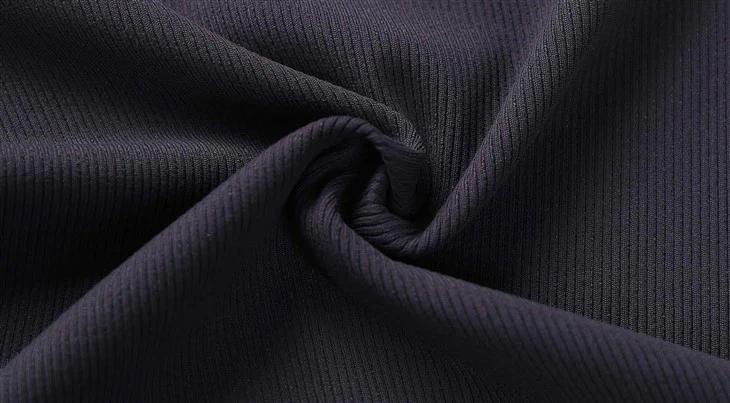
Before delving into the dyeing process, it's essential to understand the nature of fine thread ribbed fabric. Fine thread ribbed fabric is typically made from a combination of natural and synthetic fibers, such as cotton, polyester, or spandex. The ribbed pattern is created by knitting the fabric in a way that produces raised ridges and valleys, giving it a distinctive look and feel.
The composition of the fabric plays a crucial role in determining its dyeability. Natural fibers like cotton are generally more receptive to dyes than synthetic fibers. Cotton has a porous structure that allows dyes to penetrate easily, resulting in vibrant and long - lasting colors. On the other hand, synthetic fibers such as polyester and spandex are more difficult to dye because they have a smooth and non - porous surface that resists dye absorption.
Types of Fine Thread Ribbed Fabric
There are several types of fine thread ribbed fabric available in the market, each with its own characteristics. You can explore more about them on our website:
- Ribbed Knitted Fabric: This is a classic type of ribbed fabric with a simple yet elegant ribbed pattern. It is suitable for making a variety of clothing items, such as t - shirts, dresses, and sweaters.
- Spandex Knitted Rib Fabric: The addition of spandex gives this fabric excellent stretch and recovery properties. It is commonly used in form - fitting clothing, such as activewear and lingerie.
- Rib Stretch Knitting Fabric: This fabric combines the stretchability of spandex with the durability of other fibers. It is ideal for applications where both comfort and flexibility are required.
Can Fine Thread Ribbed Fabric Be Dyed at Home?
The answer is yes, but with some limitations. If your fine thread ribbed fabric is made primarily of natural fibers like cotton, it can be successfully dyed at home using relatively simple methods. However, if the fabric contains a high percentage of synthetic fibers, the dyeing process will be more challenging and may not yield satisfactory results.
Dyeing Natural Fiber - Rich Fine Thread Ribbed Fabric
For fabrics with a high cotton content, you can use either all - purpose dyes or fiber - reactive dyes. All - purpose dyes are suitable for a variety of fibers and are readily available at most craft stores. Fiber - reactive dyes, on the other hand, are specifically designed for natural fibers and produce more vibrant and color - fast results.
Here are the general steps for dyeing cotton - rich fine thread ribbed fabric at home:
- Prepare the Fabric: Wash the fabric to remove any dirt, oils, or sizing agents. This will ensure better dye absorption. Do not use fabric softeners as they can create a barrier that prevents the dye from sticking to the fabric.
- Choose the Dye: Select the color of the dye according to your preference. Make sure to follow the instructions on the dye package regarding the amount of dye required based on the weight of the fabric.
- Prepare the Dye Bath: Fill a large pot with enough water to fully submerge the fabric. Heat the water to the temperature specified on the dye package. Add the dye and stir well to dissolve it completely.
- Dye the Fabric: Slowly lower the fabric into the dye bath, making sure it is fully immersed. Stir the fabric gently to ensure even dye distribution. Keep the fabric in the dye bath for the recommended time, usually around 30 minutes to an hour.
- Rinse and Wash: After the dyeing process is complete, carefully remove the fabric from the dye bath. Rinse it under cold water until the water runs clear. Then, wash the fabric in a mild detergent and rinse again.
Dyeing Synthetic Fiber - Rich Fine Thread Ribbed Fabric
Dyeing fabrics with a high content of synthetic fibers like polyester or spandex at home is much more difficult. Specialized dyes, such as disperse dyes, are required for polyester, and these dyes often need to be applied at high temperatures, which can be dangerous to achieve at home.
However, if the fabric contains a small percentage of synthetic fibers, you may still be able to achieve some color change using an all - purpose dye. But the color may not be as vibrant or long - lasting as when dyeing natural fibers.

Important Considerations
- Color Fastness: Different dyes have different levels of color fastness. Make sure to choose a high - quality dye that will resist fading, bleeding, and washing.
- Safety: When working with dyes, always wear gloves and old clothes to protect your skin and clothing. Follow the safety instructions on the dye package carefully.
- Test First: Before dyeing the entire fabric, it is a good idea to test a small, inconspicuous piece of the fabric to see how it reacts to the dye. This will help you avoid any unpleasant surprises.
Conclusion
Dyeing fine thread ribbed fabric at home is possible, especially if the fabric has a high content of natural fibers. With the right dyes and proper techniques, you can transform the color of your fabric to suit your creative needs. However, if the fabric contains a significant amount of synthetic fibers, the results may be less predictable.
If you are interested in purchasing fine thread ribbed fabric for your dyeing projects or other applications, I encourage you to get in touch with us. We offer a wide range of high - quality fine thread ribbed fabrics that are suitable for various uses. Whether you are a home crafter or a professional designer, we can provide you with the perfect fabric for your needs. Feel free to reach out to us for more information and to start a procurement discussion.
References
- "Textile Dyeing and Finishing" by Donald E. Hotham
- "The Complete Guide to Natural Dyeing" by Rita Buchanan
